In my previous article, I explored how the PM role continues to expand in modern programs, particularly within Sitecore transformations. The expectation is no longer limited to driving delivery. Today’s PM is expected to help drive transformation.
The Modern PM is no longer operating as an administrative function. The role has become strategic.
That shift becomes even more visible when we look at something as seemingly tactical as the backlog and how it is managed.
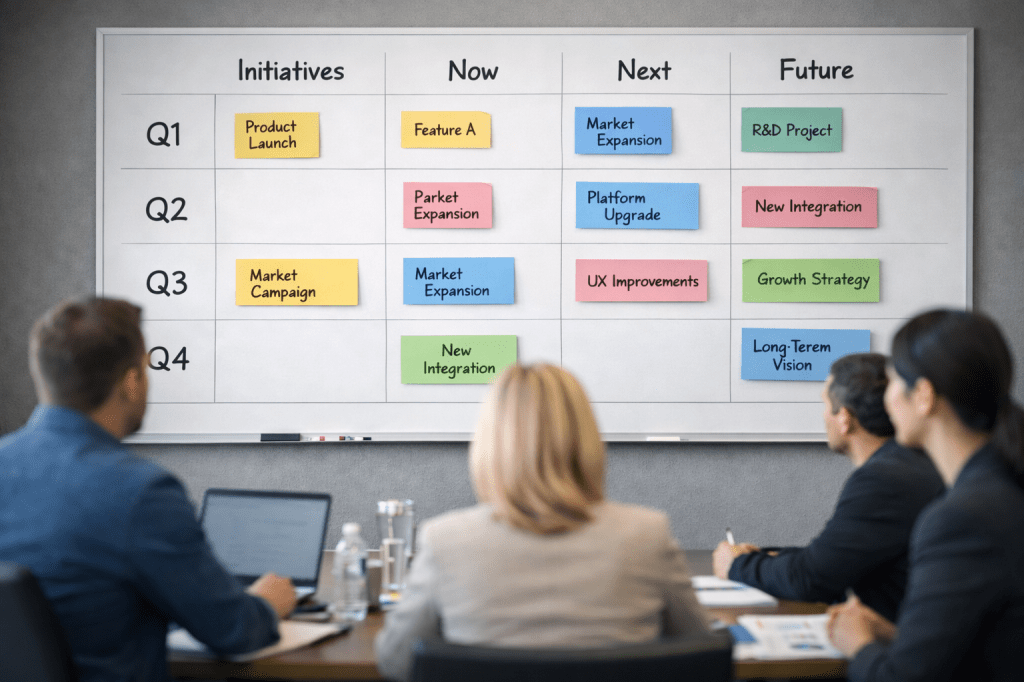
In large SitecoreAI programs, the backlog is not just a collection of user stories. It defines what the transformation will actually deliver. It reveals what the organization truly prioritizes, where it chooses to invest, and how deliberately it governs the pace and direction of change.
The way we manage the backlog usually makes it clear whether governance is leading the transformation or simply keeping up with it. In several programs I’ve supported, this distinction becomes visible quickly. The backlog often reveals alignment gaps before stakeholders openly acknowledge them.
When Complexity Accelerates
As SitecoreAI capabilities evolve, the environment around the program is constantly shifting. New personalization capabilities are introduced.
Automation becomes more integrated into the platform. Stakeholders bring forward ideas at a faster pace, and business units begin identifying new opportunities for scale and efficiency.
As a result, not only does the backlog grow, but the pace of decision making accelerates. More ideas. More dependencies. More cross functional coordination.
In one SitecoreAI engagement I supported, the challenge was not lack of effort. The team was working hard but struggling to gain momentum. It was not because the platform was limited, but because there was no shared clarity around what to tackle first. That was the inflection point. What was missing was not capability, but a shared understanding of priority and order.
In this environment, backlog management must become more intentional and clearly aligned to defined outcomes and the roadmap. These sessions are no longer just about coordination, but about translating enthusiasm into structured sequencing that teams can realistically deliver. The PM becomes the stabilizing force as complexity accelerates.
Complexity is part of any SitecoreAI program. What creates strain is unmanaged complexity. That is where the Modern PM’s role becomes most apparent.
From Backlog Management to Governance Leadership
In more traditional implementations, backlog management was largely operational. It meant running refinement sessions, tracking story progress, partnering with Product on prioritization, and making sure the team was ready for sprint planning.
In SitecoreAI transformations, that scope begins to expand.
The Modern PM is not just facilitating backlog discussions. We begin influencing how decisions even make it into the backlog in the first place.
Backlog discipline starts to look different. It means:
- Making sure new requests tie back to clear business outcomes
- Asking harder questions before something gets prioritized
- Making sure architectural constraints are part of the conversation from the start
- Calling out the financial impact when scope shifts
- Ensuring leadership understands the tradeoffs being made
At that point, we are not just managing tickets. We are helping the program stay aligned as it grows more complex.
When the backlog becomes the living roadmap of the transformation, managing it stops being purely operational. It becomes a strategic responsibility.
Backlog Discipline as a Strategic Function
In larger SitecoreAI programs, backlog discipline becomes more than just organization. It starts functioning as a control system across the program.
Strategic alignment
Each item should clearly connect to the outcome the program is trying to drive, whether that means improving personalization maturity, increasing content velocity, strengthening operational efficiency, or supporting revenue goals. When it does not, the program often begins to drift, as incremental scope changes slowly pull focus away from the original objectives.
Architectural integrity
As new AI capabilities are introduced, they still need to work within the architectural decisions the program has already committed to, including integration boundaries, composable design choices, and data structures. Those foundations were set intentionally to support long-term scalability. When new capabilities move forward without accounting for them, complexity builds quickly and becomes much harder to unwind.
Financial stability
Unchecked backlog growth has real financial impact. Burn rate increases, forecasting becomes less reliable, and stakeholder confidence can start to erode. Discipline creates predictability, making it easier for leadership to plan instead of constantly reacting to scope changes.
I’ve seen small, reasonable requests stack up faster than expected when they are not evaluated against real capacity and financial guardrails.
Executive clarity
Leadership does not need visibility into every story. They need clarity around tradeoffs. A disciplined backlog makes it easier to see what is being prioritized, what is being deferred, and what that means for the overall roadmap. Without that transparency, decisions begin to feel reactive instead of aligned.
Discipline is not about saying no to innovation. It is about introducing it in a way the program can realistically support. The goal is not to slow progress. It is to keep the roadmap from fragmenting as new ideas are introduced.
The Modern PM at the Inflection Point
That is where the role of the Modern PM becomes most visible.
Backlog discipline is one of the clearest indicators of this shift. When handled well, the backlog becomes a strategic asset. When handled poorly, it becomes a source of misalignment, reactive delivery, and eroded confidence.
In SitecoreAI transformations, backlog discipline is not an administrative task. It reflects how intentionally the program is being led.
As organizations continue investing in AI-driven digital platforms, the question is no longer whether the backlog is organized, but whether it reflects deliberate strategy.
In your SitecoreAI programs, does the backlog represent clarity or noise? The answer often reveals how far the Modern PM’s role has truly expanded.


 Sitecore Project Manager Playbook